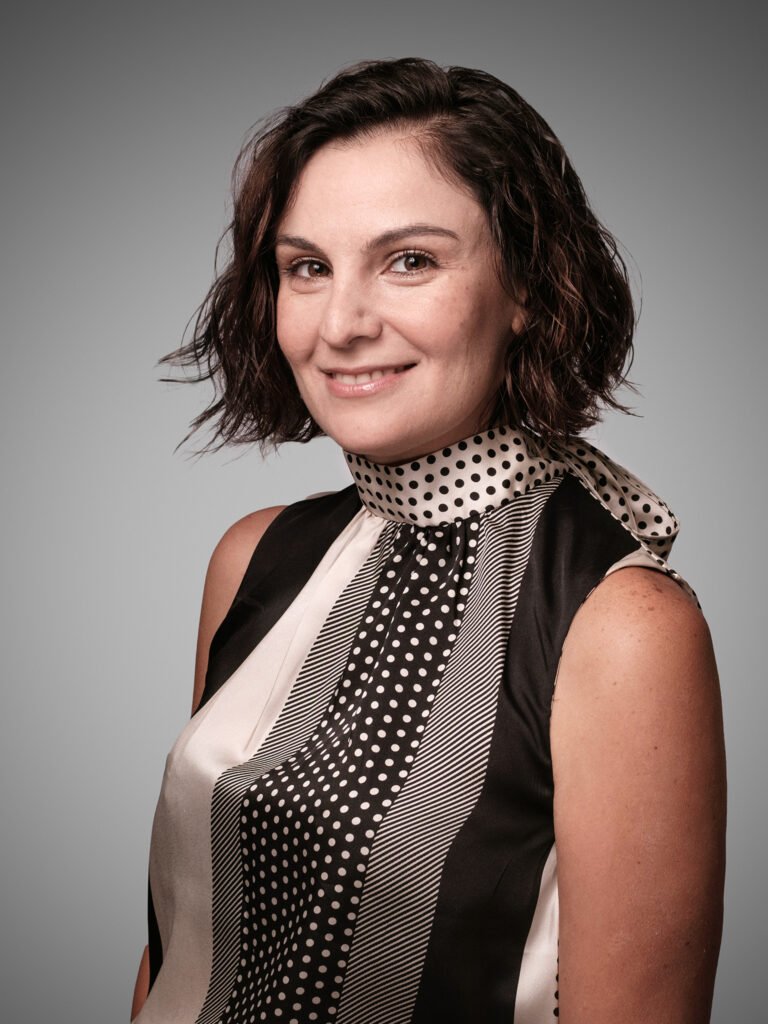
I advise medical imaging AI teams on complex R&D questions, bringing scientific rigor to decisions around data, experimentation, and evaluation.
My work connects scientific and technical framing, actionable literature review, deep data understanding, and rigorous experimentation and evaluation.
With a PhD in Computer Vision and over 10 years of applied medical imaging R&D experience, I help teams make evidence-based decisions grounded in scientific research, deep data understanding, and real-world R&D constraints.
Deep focus on data understanding and qualification
Data shape what can be developed, evaluated, and ultimately supported by evidence. Understanding their provenance, composition, variability, annotations, and limitations is therefore a foundation for sound medical imaging R&D.
I qualify data against the R&D question at hand to determine how they can reliably support development, experimentation, and evaluation decisions.
How I can support you
Scientific R&D Advisory
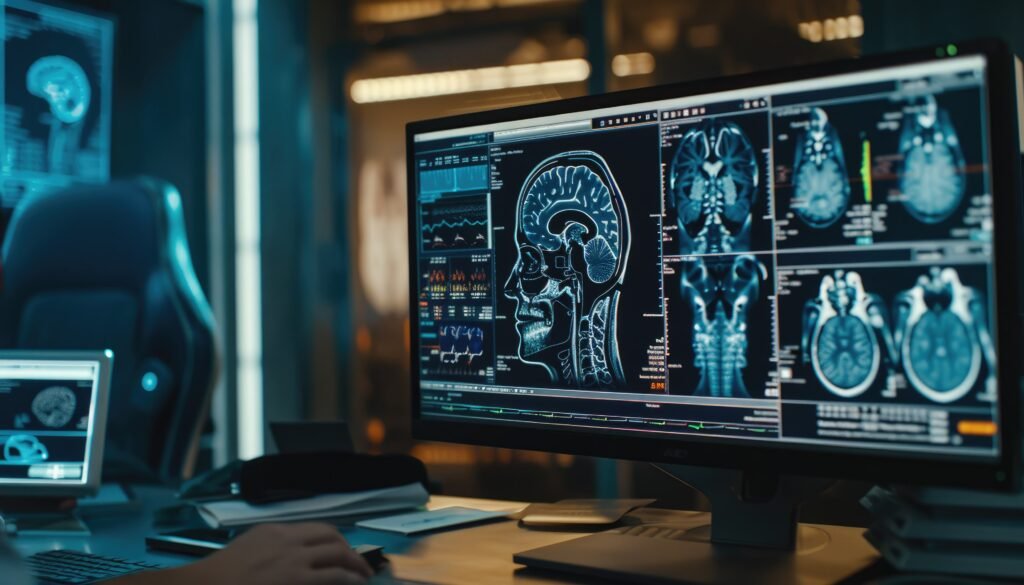
Scientific and data advisory for medical imaging AI teams facing complex R&D questions, from problem framing and data qualification to experimentation and evaluation.
Available through targeted engagements or ongoing advisory, depending on the question and level of support needed.

Resources
Practical resources for medical imaging AI R&D, translating scientific and technical questions into structured insights, methods, and reference materials.
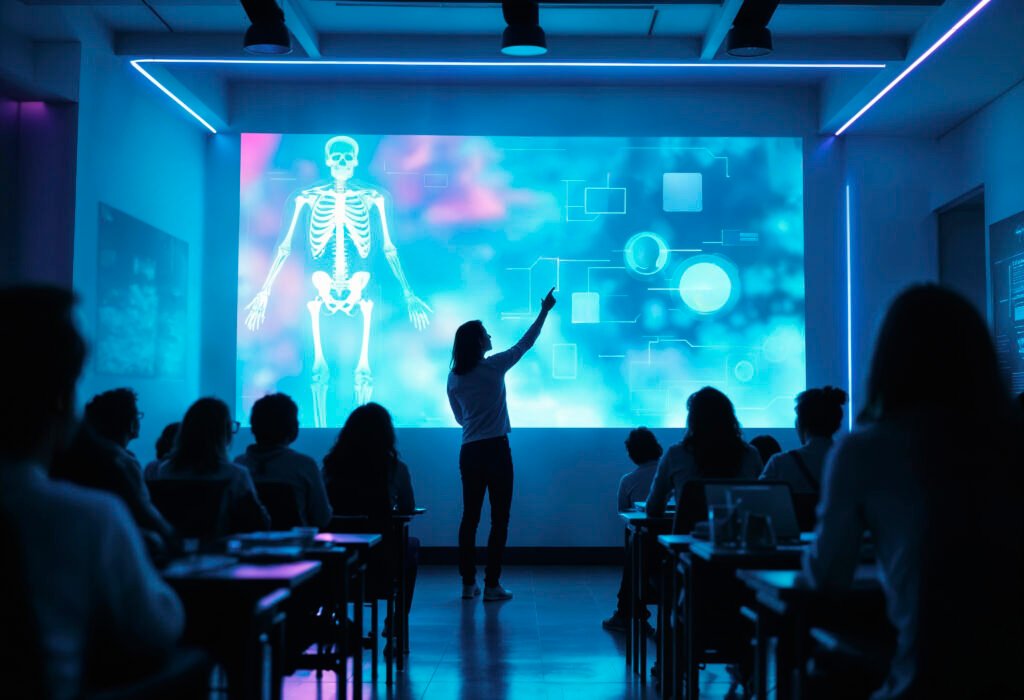
Skill Transfer
Advanced training in AI and Computer Vision, from core technical foundations to specialized Medical Imaging AI topics, grounded in scientific research and real-world R&D practice.
VeraDP is a registered training provider in France.
Why work with me
- PhD in Computer Vision, with over 10 years of applied MedTech R&D experience
- Deep familiarity with the research-to-clinical gap and ability to speak directly with clinicians to keep technical decisions grounded in clinical reality
- A rigor for defensible decisions: justifying, benchmarking, and documenting technical choices so they hold up to scrutiny
- Hands-on experience leading AI projects and collaborating across multidisciplinary teams
- Structured advisory approach, bringing clarity and scientific rigor to complex R&D questions
- Fluent with both technical and executive stakeholders, supporting informed decision-making at all levels
- Bilingual (English/French), with experience across academic, clinical, and industrial contexts
Writing on AI, data, and decision-making in medical imaging
Insights grounded in applied research, scientific literature, and real-world medical imaging R&D.
Featured articles
How Absolute is the “Ground Truth” in Medical AI Annotation?
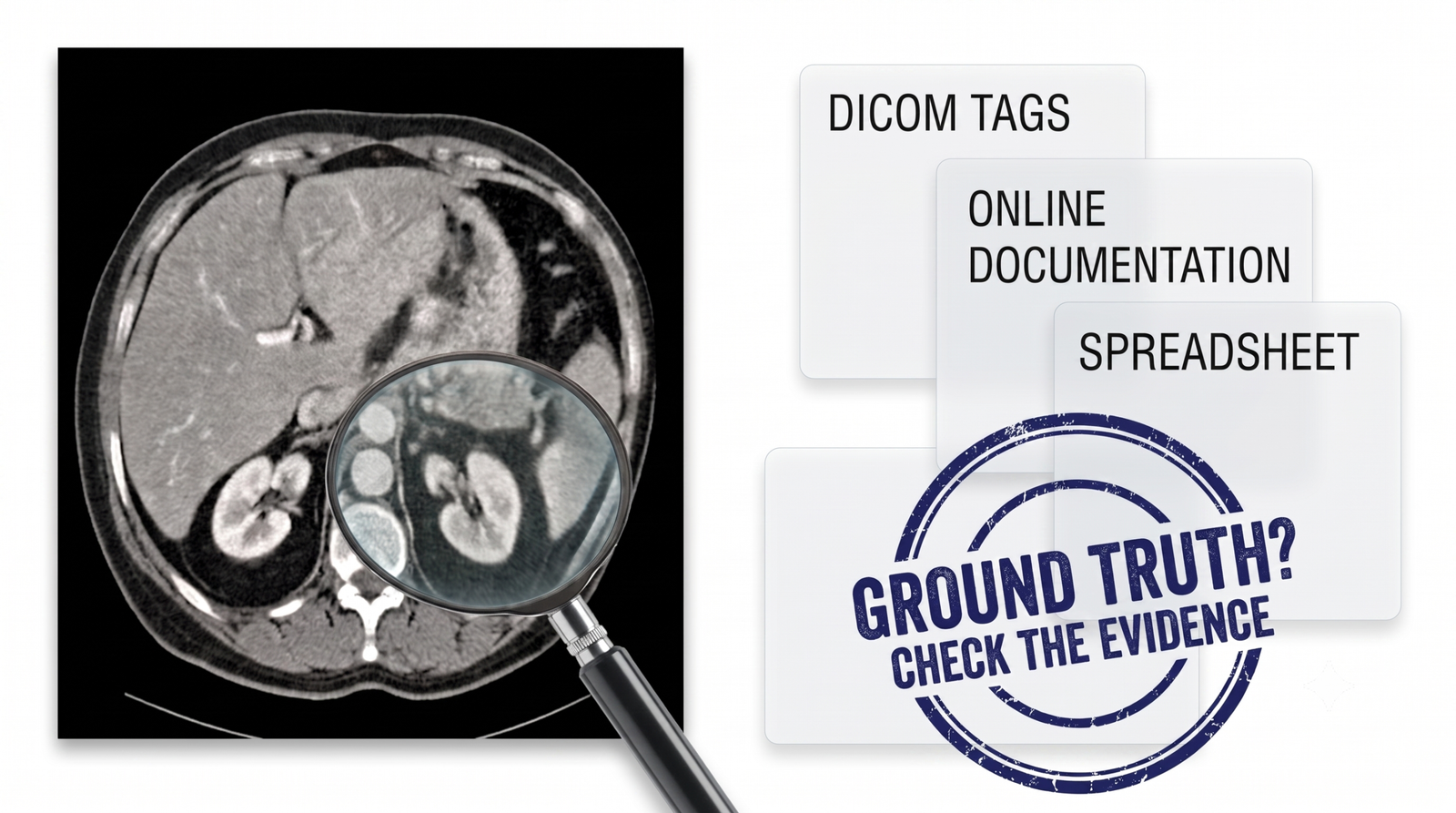
Can Metadata be trusted as Ground Truth for Medical Imaging AI?
Problem Framing in Medical Imaging AI

Scalable Dataset Triage in Medical Imaging AI

Data Distillation in Medical Imaging

Medical Image Augmentation & Synthetic Data
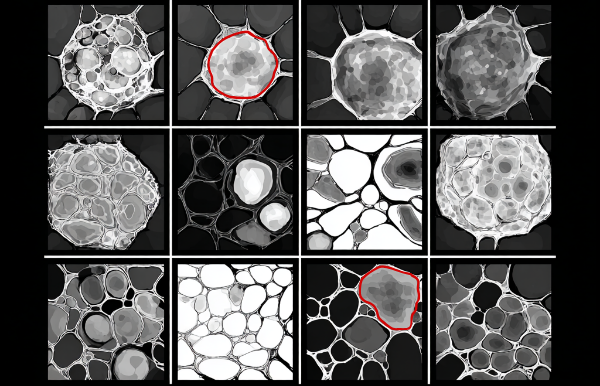
Training Models With Little or No Labels
The Data Bottleneck in Medical Imaging
Data Auditing: The Foundation of Responsible AI in Medical Imaging
